
Understanding the Fundamentals of Gambling
Gambling encompasses a wide range of activities, from betting on sports events to playing card games like poker. At its core, gambling involves risking money or valuables on the outcome of an event that is uncertain. This uncertainty is what makes gambling thrilling for many, as it taps into the basic human fascination with risk and reward. Many players who seek the best online casino australia often find themselves engaging in games that blend chance with skill, influencing how players approach their betting strategies.
In games defined by chance, such as slots and lotteries, the outcome is largely influenced by factors outside the player’s control, such as the roll of dice or the spin of a roulette wheel. These games rely on random number generators or physical mechanisms to determine winners, thereby creating an environment where skill does not play a significant role. Since the results are random and independent of one another, players cannot employ strategies to increase their odds of winning, firmly categorizing these as games of pure luck. Understanding this fundamental distinction is crucial for anyone interested in exploring the world of gambling.
Conversely, skill-based games require players to utilize strategy, knowledge, and experience to gain an advantage. In poker, for example, players must read their opponents, calculate odds, and make strategic decisions based on incomplete information. This complexity allows skilled players to outperform novices consistently, suggesting that skill can significantly influence outcomes. As we dive deeper into different forms of gambling, it becomes essential to recognize the blending of chance and skill that influences gambling experiences and shapes player interactions.
Games of Chance: The Role of Randomness
Games of chance are primarily defined by their reliance on randomness, leaving little room for player intervention to alter outcomes. Popular examples include slot machines, lotteries, and many table games like baccarat. The design of these games ensures that each play is independent of the last, meaning players cannot develop a strategy based on previous results. This randomness is attractive to many gamblers, promoting the idea that anyone can win regardless of their gambling experience or knowledge, making it accessible to a broad audience.
The psychological thrill that comes with playing games of chance often leads people to believe in luck and superstitions, which can further enhance the gambling experience. Many players create rituals or believe in lucky charms, falsely attributing winning outcomes to these beliefs. This interaction between human psychology and chance-based gambling reinforces the notion that despite the randomness, human emotions and perceptions significantly influence the gambling process, creating a unique blend of excitement and anticipation.
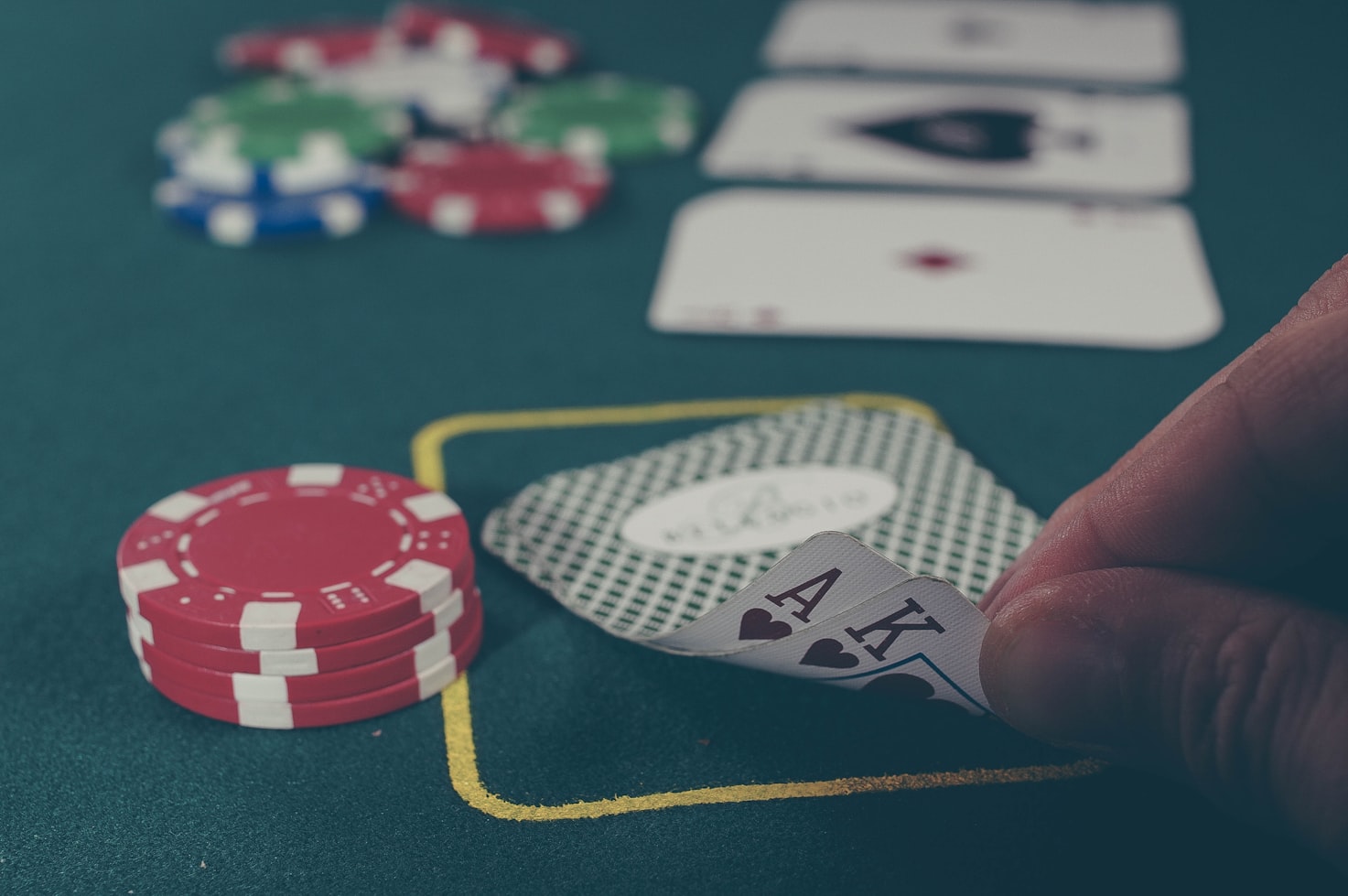
Furthermore, the gambling industry has capitalized on the allure of chance, often promoting big jackpots and life-changing wins that attract players. Advertisements showcasing winners or success stories amplify the excitement surrounding these games, creating a narrative that anyone could be the next big winner. Therefore, while games of chance are based solely on luck, the human element adds an intriguing complexity to the overall experience, keeping players engaged and returning for more, even when the odds are not in their favor.
Skill-Based Games: Strategy and Decision Making
In contrast to games of chance, skill-based games allow participants to exert control over the outcome through their decisions and strategies. Games like poker and blackjack require not only a solid understanding of the rules but also an ability to read opponents, manage finances, and implement tactics to maximize potential winnings. This aspect of gambling attracts individuals who thrive on challenges and enjoy the mental engagement involved in competitive play, seeking not just monetary gain but also intellectual stimulation.
For instance, in poker, a player’s knowledge of probabilities and psychological tactics can lead to substantial earnings over time. Skilled players analyze patterns and player behavior, allowing them to make informed decisions that can dramatically affect the game’s outcome. This strategic component creates a more dynamic environment where experienced players can consistently profit by capitalizing on their skills, differentiating the game from pure chance and highlighting the importance of practice and study in achieving success.
Nevertheless, it’s important to acknowledge that luck still plays a role in skill-based games. Even the most skilled player can face a streak of bad luck in poker, potentially losing to a less skilled opponent simply due to the cards dealt. However, over an extended period, skill tends to prevail, which is why many consider poker and similar games to be as much about strategy as about luck. This blend of skill and chance makes these games particularly appealing to those looking for a challenge and a deeper level of engagement in their gambling activities.
The Balance Between Chance and Skill
The gambling world is a unique fusion of chance and skill, resulting in a spectrum where different games can fall at various points along this continuum. While games like slots are purely chance-driven, others, such as poker and bridge, demand significant amounts of skill. The interplay between these two elements becomes more pronounced in hybrid games, such as blackjack, where players employ strategies to enhance their odds while still grappling with the random nature of card distribution. Understanding this balance is essential for players aiming to optimize their gaming experience.
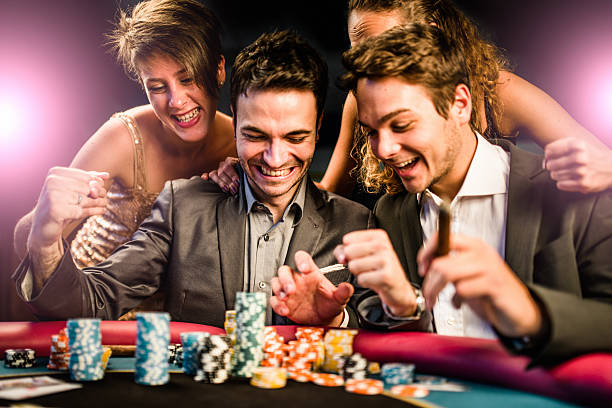
This blending can lead to diverse player experiences; some gamblers prefer the thrill of chance, while others enjoy developing their skills to gain an edge. Different games can attract distinct player profiles. Casual players might gravitate towards games of pure chance for the excitement and simplicity, whereas more competitive players may seek out environments that allow for skillful play and strategic depth. Acknowledging personal preferences can guide individuals in selecting the games that best fit their gambling style and enjoyment.
Moreover, the presence of both chance and skill has prompted ongoing discussions within the gambling community and regulatory bodies. As legislation surrounding gambling evolves, recognizing the balance between these two elements can inform decisions regarding game classifications, advertising, and player education. Offering insights into which games emphasize skill versus chance can empower players to make informed choices in their gambling pursuits, ultimately leading to a more responsible and satisfying gambling experience.
Learn More About Gambling Strategies and Insights
For those eager to explore the intricacies of gambling, various resources are available that delve deeper into the strategies and psychology behind different games. Many websites and forums provide valuable information about player experiences, expert tips, and statistical analyses that can enhance understanding and improve performance in skill-based games. Engaging with these resources allows players to gain insights into effective strategies and common pitfalls, enriching their gaming experience.
Furthermore, staying informed about trends and developments in the gambling landscape can provide players with insights into new games and emerging strategies. Participating in discussions with a community of like-minded individuals fosters a richer understanding of how context, environment, and choice interplay in the realm of gambling. Whether interested in chance-driven games or skillful strategies, a wealth of information is available to enhance the gambling experience.
By tapping into these resources and actively seeking knowledge about the spectrum of gambling, players can improve their understanding of the balance between luck and skill. This knowledge not only enriches their gaming experience but also cultivates a responsible and informed approach to gambling that emphasizes enjoyment and awareness of the inherent risks involved in gaming activities. Ultimately, a well-rounded understanding of both chance and skill can lead to more fulfilling and responsible gambling practices.